Introduction: Why Data Pipelines Matter
Modern organizations don’t struggle with a lack of data—they struggle with turning that data into something useful. Every click, purchase, login, sensor reading, and transaction ends up stored in databases as structured tables. But tables alone don’t create value. Trends do.
A data pipeline is the system that moves db to data from raw databases to meaningful insights. It is the bridge between “stored information” and “business intelligence.” Without pipelines, data remains locked inside tables. With them, it becomes a continuous flow of insights that power decisions, predictions, and automation.
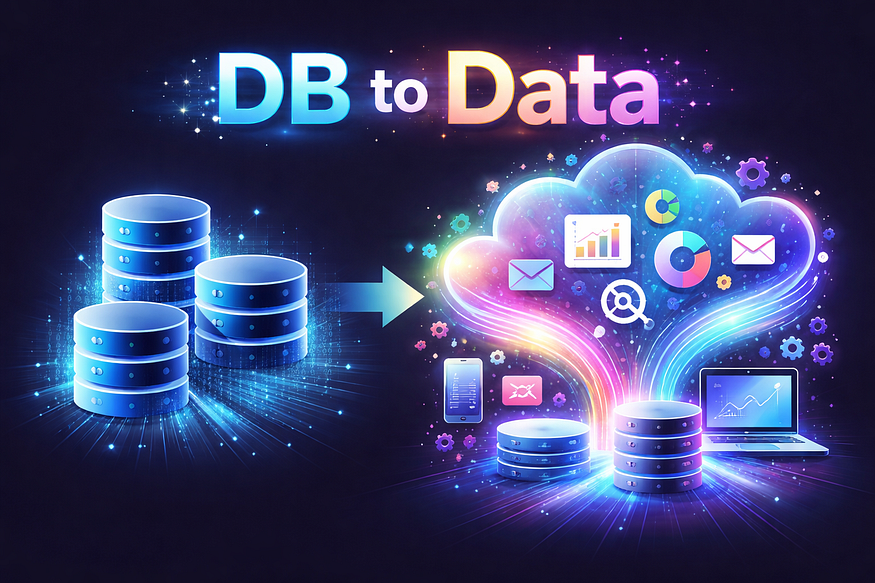
Understanding the Journey: Tables Are Just the Beginning
In a database, data is stored in structured tables like:
- Customers
- Orders
- Products
- Payments
Each table holds detailed records, but individually they don’t explain anything meaningful. For example:
- A “Orders” table shows purchases
- A “Customers” table shows user details
- A “Products” table shows item information
But none of them alone can answer questions like:
- What products are trending this month?
- Which customers are most valuable?
- How do sales change over time?
To answer these, we need a pipeline that connects, processes, and transforms these tables into trends.
What is a Data Pipeline?
A data pipeline is a series of automated steps that:
- Collect data from databases
- Process and clean it
- Transform it into usable formats
- Load it into analytics systems
- Deliver insights for reporting or machine learning
Think of it like a factory assembly line—raw materials (data) enter one side, and finished products (insights) come out the other.
Stage 1: Data Extraction – Pulling Data from Tables
The pipeline begins by extracting data from database tables.
This involves:
- SQL queries
- API calls
- Batch exports
- Streaming data ingestion
At this stage, data is still raw and unchanged. It simply moves from storage systems into the pipeline environment.
For example:
- Pulling all orders from the “Sales” table
- Extracting customer activity logs
- Collecting daily transaction records
The goal is to gather relevant data efficiently without losing accuracy.
Stage 2: Data Ingestion – Bringing Data into the Pipeline
Once extracted, data is ingested into a processing system. This could be:
- Data warehouses
- Data lakes
- Cloud storage systems
Ingestion ensures that data flows continuously or in scheduled batches.
There are two main types:
- Batch ingestion → Data processed in chunks (daily, hourly)
- Real-time ingestion → Data processed instantly as it arrives
Real-time systems are used in applications like fraud detection and live dashboards.
Stage 3: Data Cleaning – Removing Errors from Tables
Raw table data often contains issues such as:
- Missing values
- Duplicate entries
- Incorrect formatting
- Inconsistent naming
Data cleaning ensures the pipeline works with accurate inputs.
For example:
- Fixing missing customer IDs
- Standardizing date formats
- Removing duplicate transactions
Clean data ensures that trends generated later are reliable.
Report abuse: [email protected]
Sales: [email protected]
Phone: +801918754550
Website : https://dbtodata.com